Marketplaces
Second-hand and peer-to-peer listings where one seller controls every angle.
A listing can look finished, lit, and ready to ship — and still never have been a real product in a real room. Get a read first.
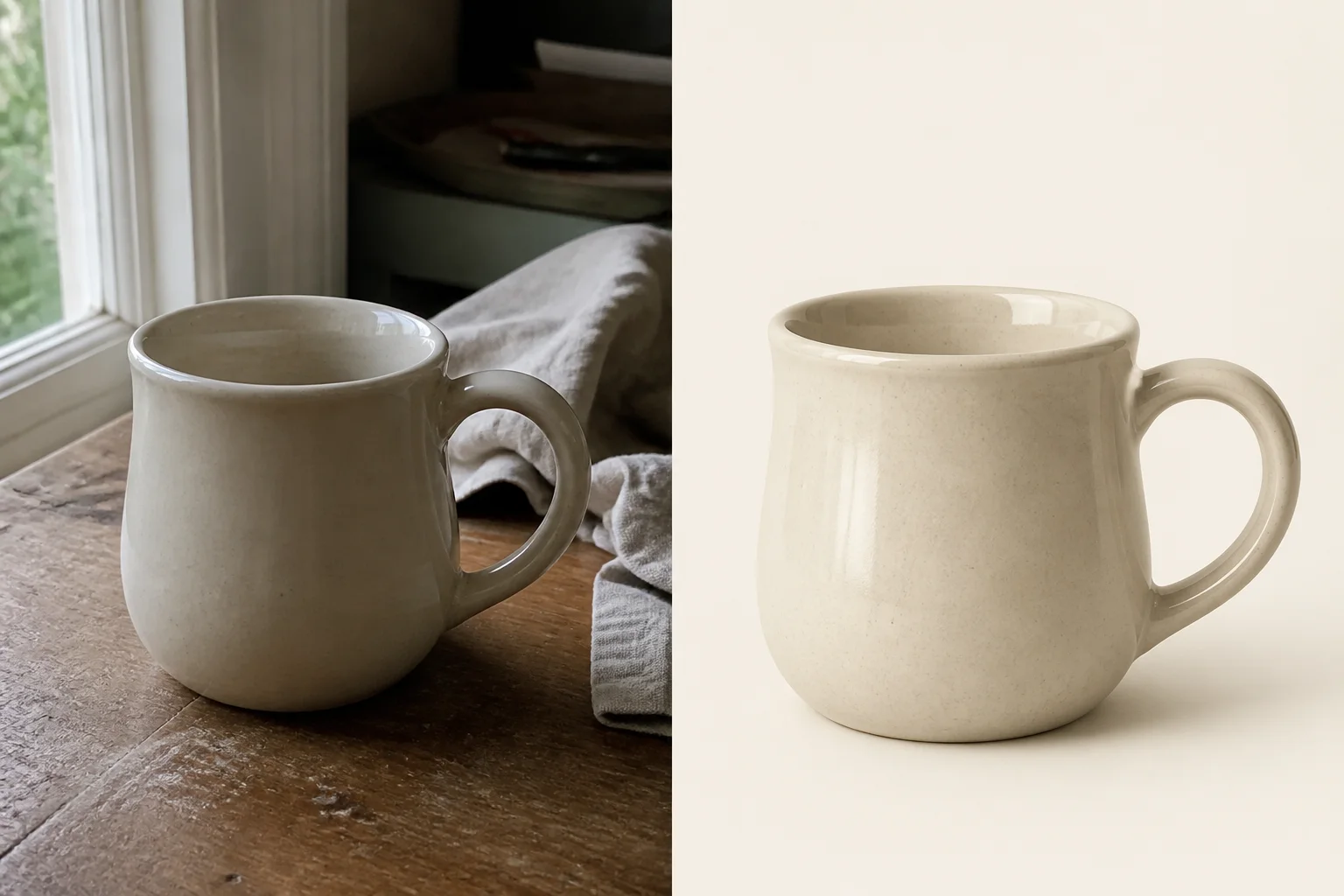
Left: a photo that was taken. Right: a render that was made. Same shape. Very different proof.
Why it matters
Online shopping runs on pictures. You do not handle the item. You do not see the shelf. You see a frame — and that frame is asking for your card.
AI made it cheap to invent catalog shots: clean backgrounds, perfect lighting, no dust, no dents, no “this was photographed in a hurry.” Some of those images sell real stock. Some sell a story. Your eyes alone are a soft filter.
True Byline is for the pause between “add to cart” and “pay now” — a read on whether the product photo looks like a camera shot or something generated.
Where this shows up
You do not need a crime scene. You need a habit: when money moves because of a photo, check the photo.
Second-hand and peer-to-peer listings where one seller controls every angle.
Dropship and storefront pages that never show a messy real shelf.
Stories, carousels, and DMs that feel personal and still run on images.
Items that look factory-fresh in every frame, with no wear the world usually leaves.
What to notice
None of these prove fraud on their own. Together, they are a reason to slow down — and to run a check.
How it works
True Byline does not replace your judgement. It gives it something to stand on before money moves.
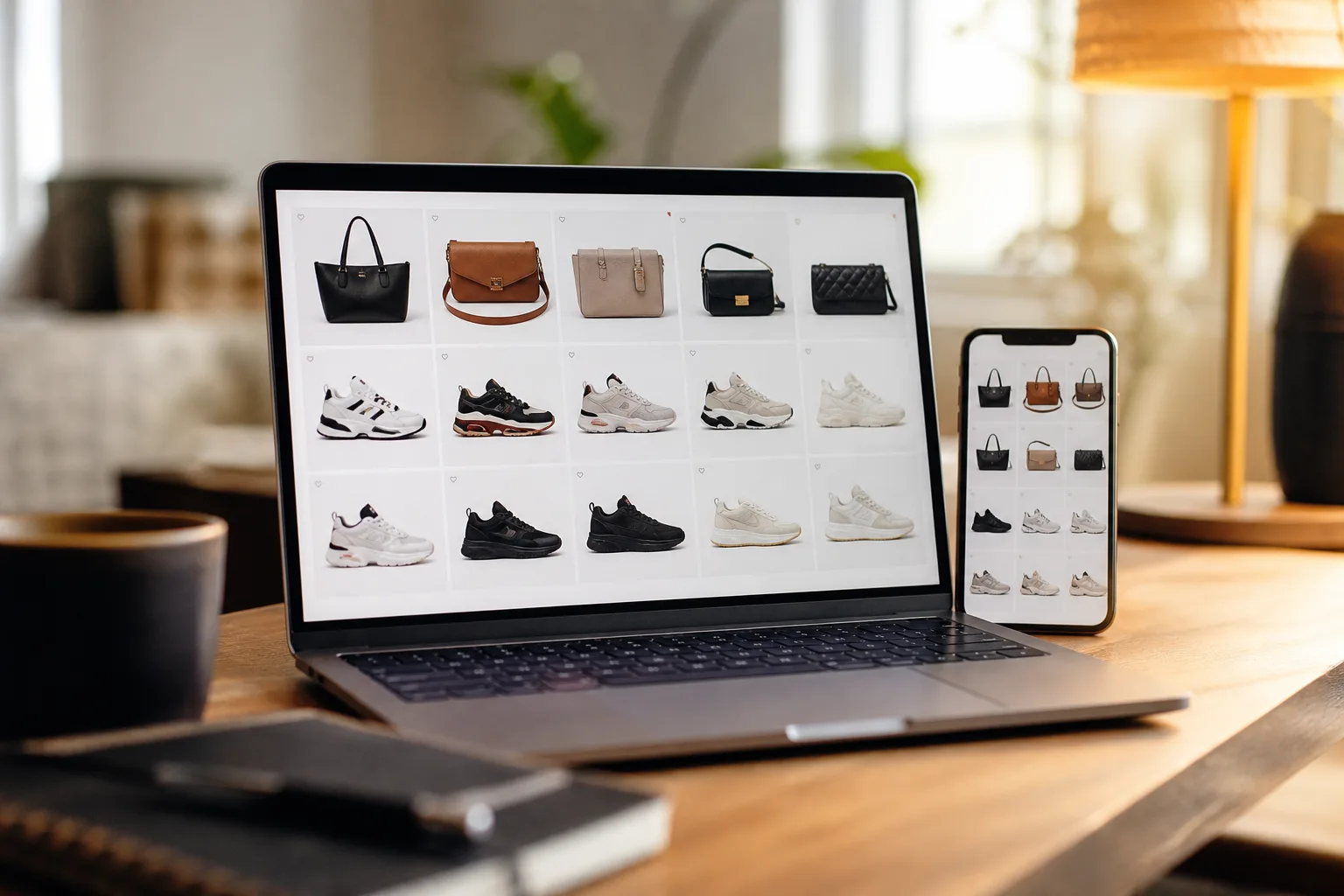
The mug, the sneakers, the bag — sharp frames, clean pitch, ready to buy.
True Byline reads the photo and scores how likely it is a camera shot versus AI-generated.
Use the result before you pay, message the seller, or hit buy. A strong signal — not a legal verdict.
Privacy
Shopping already asks for enough of you. A check should not mean uploading your browsing life into a permanent archive.
True Byline is built as a read: you bring the image, you get a result, we do not keep the photo. Details live on the privacy page.
What you get
Free accounts get more daily checks than browsing signed out. Paid plans stretch to thirty a day when you are vetting listings in batches.
Unused checks do not roll over. Midnight UTC resets the jar. Simple on purpose.
Questions
Yes. Catalog shots and marketplace listings are easy to generate. A photo can look sellable and still never have been taken of a real item.
You get a read on whether the product photo looks like a real camera shot or AI-generated — so you can pause before you pay, message a seller, or walk away.
No. It is a signal, not a courtroom verdict. Stack it with seller history, payment protection, and your own sense of the deal.
Product listings, catalog shots, social seller photos, marketplace images — anywhere a picture is asking for your money.
No. Checks run without keeping the photo on our side.
Start
If a listing only exists as an image, treat the image like evidence. True Byline gives you a read — in the browser, without keeping the file.
More use cases