Headlines & tips
News frames and forwarded “proof” that travel faster than the caption.
A picture can look finished, human, and ready to trust — and still never have been taken. Get a read before you act on it.
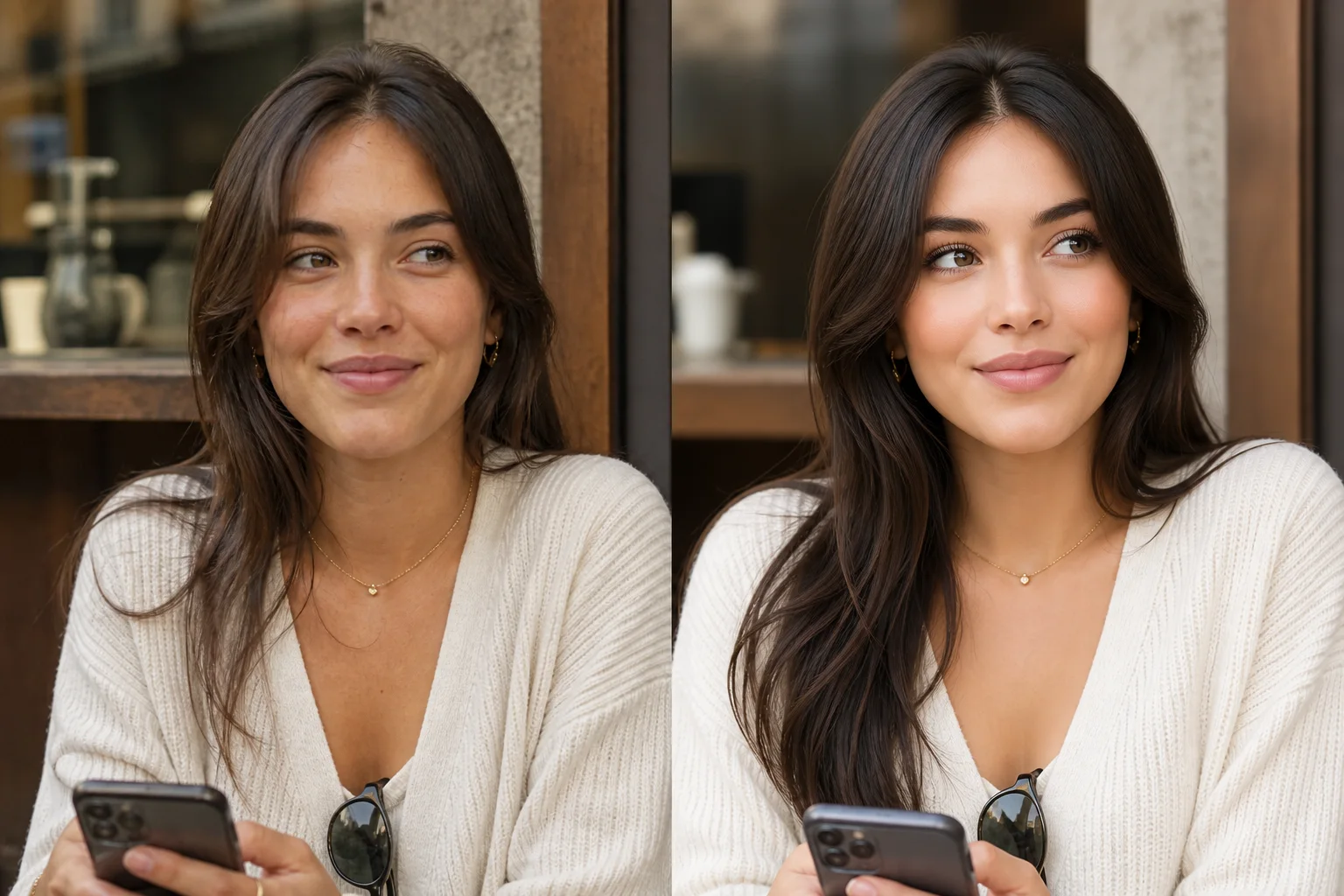
Left: a photo that was taken. Right: a face that was made. Same subject. Very different proof.
Why it matters
Photos used to mean someone stood somewhere with a camera. That contract is broken. Generators can invent people, places, and events that never happened — and they look good enough to share.
Your eyes are a soft filter. They notice polish. They miss geometry that almost works, text that almost reads, and lighting that never belonged to the room.
True Byline is for the pause between “looks fine” and “I will trust this” — a read on whether the image looks like a camera shot or something generated.
Where this shows up
You do not need a scandal. You need a habit: when a photo is the reason you trust, share, or reply — check the photo.
News frames and forwarded “proof” that travel faster than the caption.
Dating photos, job pitches, and private messages that feel personal.
Posts, Stories, and group chats where polish is the persuasion.
Anything selling a product, place, or person with a single clean frame.
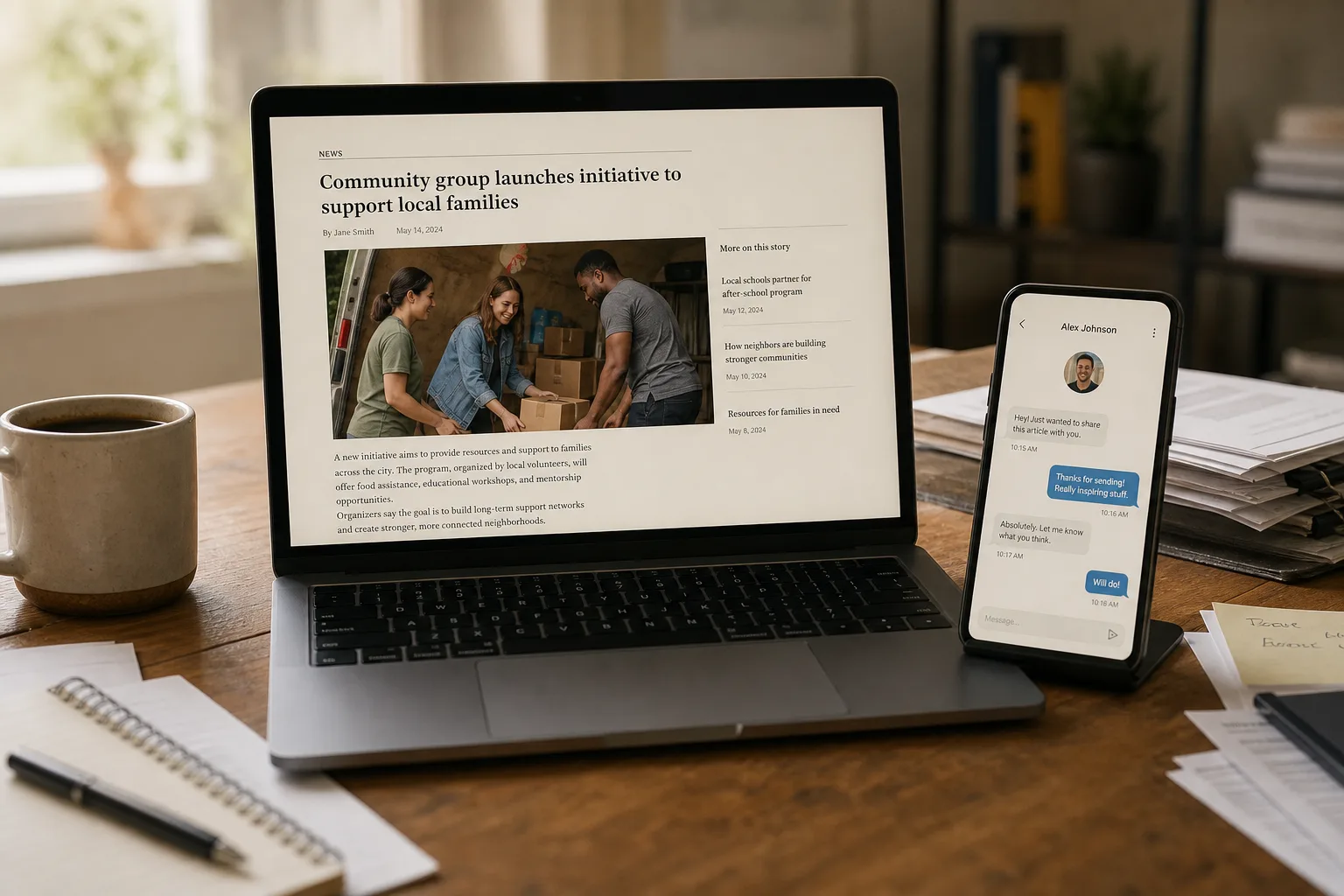
What to notice
None of these prove a fake on their own. Together, they are a reason to slow down — and to run a check.
How it works
True Byline does not replace your judgement. It gives it something to stand on before you trust the frame.
A headline, a DM, a feed post, a listing — something that looks real enough to share or believe.
True Byline reads the photo and scores how likely it is a camera shot versus AI-generated.
Use the result before you forward, reply, publish, or buy. A strong signal — not a legal verdict.
Privacy
Checking a picture should not mean filing your browsing life into a permanent archive.
True Byline is built as a read: you bring the image, you get a result, we do not keep the photo. Details live on the privacy page.
What you get
Free accounts get more daily checks than browsing signed out. Paid plans stretch to thirty a day when you are vetting images in batches.
Unused checks do not roll over. Midnight UTC resets the jar. Simple on purpose.
Questions
Soft clues help — odd hands, broken text, repeating textures — but they are incomplete. True Byline gives you a scored read so you are not guessing from polish alone.
Yes. It scores how likely a photo is a real camera capture versus AI-generated, so you can pause before you trust, share, or act on it.
No. It is a signal, not a courtroom verdict. Stack it with source, context, and your own sense of the claim.
News images, social posts, DMs, profiles, listings, ads — any still image you are about to trust.
No. Checks run without keeping the photo on our side.
Start
If a picture is asking for your trust, treat it like evidence. True Byline gives you a read — in the browser, without keeping the file.