Breaking posts
Urgent frames that hit feeds before context, sourcing, or a byline catch up.
A news image can look urgent, documentary, and ready to forward — and still never have been taken. Get a read first.
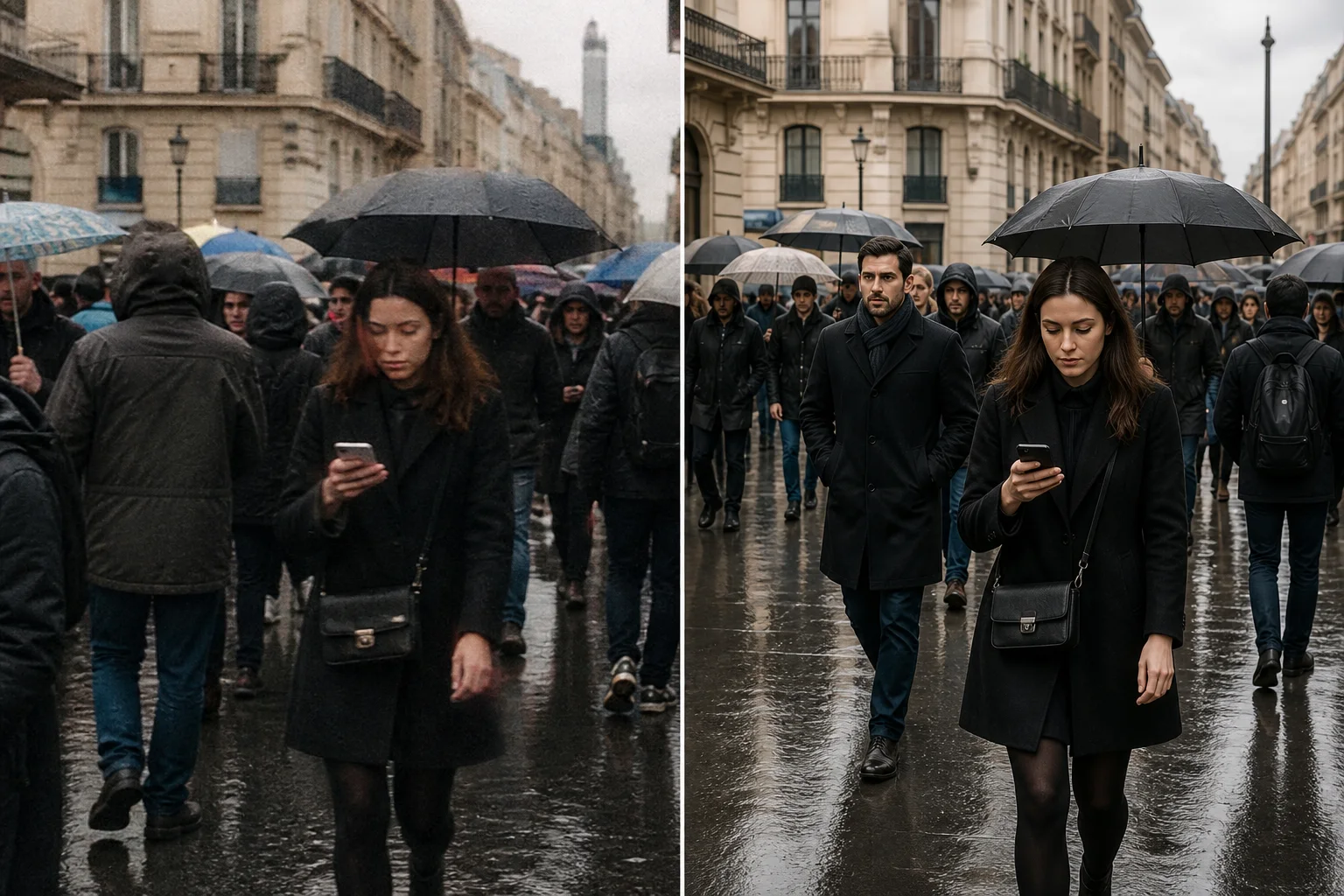
Left: a frame that was taken. Right: a scene that was made. Same mood. Very different proof.
Why it matters
News travels as pictures. A crowd, a blast, a handshake, a flooded street — one frame can outrun the caption that explains it.
AI made it cheap to invent “proof”: documentary lighting, urgent composition, faces that almost hold. Some of those images document real events. Some invent the event. Your eyes alone are a soft filter.
True Byline is for the pause between “this looks real” and “I will share it” — a read on whether the photo looks like a camera shot or something generated.
Where this shows up
You do not need a disinformation unit. You need a habit: when a photo is why you believe or forward — check the photo.
Urgent frames that hit feeds before context, sourcing, or a byline catch up.
Images sent privately as “proof” — screenshots, WhatsApp forwards, tip lines.
Hero shots and pull quotes that look wire-ready and still need a second look.
Slide decks and briefings where one clean photo carries the whole claim.
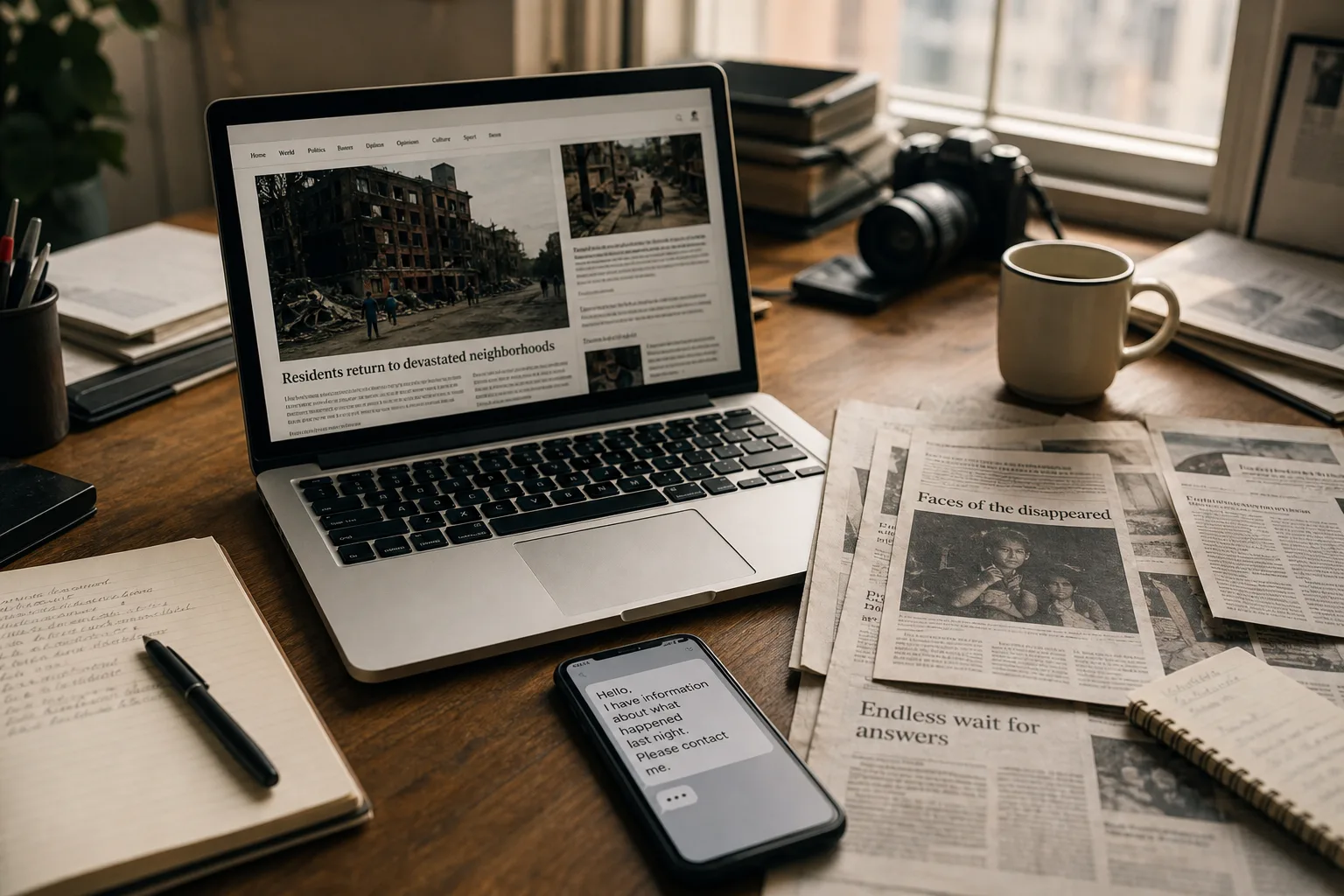
What to notice
None of these prove a fake on their own. Together, they are a reason to slow down — and to run a check.
How it works
True Byline does not replace editorial judgement. It gives it something to stand on before a frame travels.
A tip, a feed post, a story embed — urgent, clean, ready to share.
True Byline reads the photo and scores how likely it is a camera shot versus AI-generated.
Use the result before you forward, cite, or publish. A strong signal — not a legal verdict.
Privacy
Newsrooms and researchers already handle sensitive material. A check should not mean filing that frame into a permanent archive.
True Byline is built as a read: you bring the image, you get a result, we do not keep the photo. Details live on the privacy page.
What you get
Free accounts get more daily checks than browsing signed out. Paid plans stretch to thirty a day when you are vetting tips and story art in batches.
Unused checks do not roll over. Midnight UTC resets the jar. Simple on purpose.
Questions
Yes. Generated images can look like documentary proof — crowds, disasters, politicians, crime scenes — and still never have been taken.
You get a read on whether the photo looks like a real camera shot or AI-generated — so you can pause before you forward, cite, or publish.
No. It is a signal, not a courtroom verdict. Stack it with sourcing, reverse search, and editorial judgement.
Story photos, tip images, wire-style frames, social screenshots forwarded as news — any still image you are about to treat as proof.
No. Checks run without keeping the photo on our side.
Start
If a picture is asking to be treated as evidence, treat it like evidence. True Byline gives you a read — in the browser, without keeping the file.